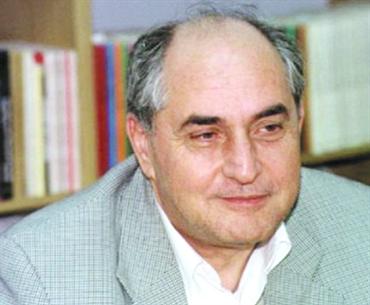
Birth: NULL/NULL/1940 Death:NULL/NULL/2001
Born in Baghdad, Iraq, on 17 July 1940; son of Abdel Qader Husseini, who died during the battle for Jerusalem in 1948; grandson of former mayor of Jerusalem Musa Kathem Pasha Al-Husseini; and grand-nephew of Haj Amin Al-Husseini, then Grand Mufti of Jerusalem; studied in Cairo (elementary and secondary education), graduating in 1958; joined the ANM in 1957; was a founding member of the GUPS in 1959; studied Science in Cairo and Baghdad but devoted most of his time to political campaigning; underwent commando training in Egypt in 1963; came to Jerusalem and worked for the PLO after its initial establishment as deputy manager of the Public Organization Dept. from 1964-65; studied in Syria and received a BA in Military Science from the Military College in Damascus in 1967; joined the PLA the same year; graduated from Damascus Military College in 1967; returned to the West Bank after the June 1967 War; was arrested soon after (Oct. 1967) and was imprisoned for a year for arms possession; worked as an x-ray technician in Jerusalem from 1969-77; studied History in Beirut; returned to Jerusalem and founded the Arab Studies Society in 1979, whose chairman he remained ever since; became a member of the Higher Islamic Council in Jerusalem in 1982; was repeatedly placed under house and city arrest by the Israeli authorities during the years 1982-87; was also several times imprisoned under administrative detention (without trial) during the first Intifada, last in Oct. 1990 in the wake of the Al-Aqsa Mosque massacre; was classified as a prisoner of conscience by Amnesty International in June 1987; served as Palestinian spokesperson and highly respected (Fateh) leader during the first Intifada; was one of the pioneers in developing and promoting Israeli-Palestinian dialogue and the first prominent Palestinian to hold talks with a senior Likud politician, Moshe Amirav, in Sept. 1987 (together with Sari Nusseibeh and Salah Zuheikah); helped create the Technical and Advisory Committees inside the OPT intended to assist the negotiations in 1992; led preparatory talks for the Madrid peace conference with US Secretary of State James Baker in 1990; served for a long time as Chairman Yasser Arafat’s chief representative in the OPT; after the 1991 Gulf War was increasingly sought after as an interlocutor between US and Israeli politicians; from 1991, was part of the Palestinian Steering Committee to the peace talks, acting from the OPT (as holder of a Jerusalem ID card, was prevented from a direct role by Israel for two years); then became head of the Palestinian delegation to the peace negotiations from April 1993; set up the Jerusalem National Council as a forum to begin debating Jerusalem’s future status in 1993; headed Fateh High Command in the West Bank from 1994; was PLO Exec. Committee member since April 1996 (one of three members from – for the first time – ‘inside’ the OPT); member of the final status negotiating team; after the establishment of the PA, served as Minister without Portfolio, in charge of the Jerusalem file (PLO representative to Jerusalem) since the mid-1990; in June 1995, went with other Palestinians figures on a hunger strike in sympathy with Palestinian prisoners held by Israel; played a major role in ensuring that East Jerusalem was included as an electoral district in the Jan. 1966 PLC elections; remained the head of the Orient House – the first national address in Jerusalem and thus subject to many confrontations with Israeli forces and settlers – until his death; supported the Oslo process at its outset but turned increasingly skeptical; received the American Peace Award and later the Gleitsman Foundation International Activist Award in 1999; died suddenly of a heart attack on 31 May 2001, whilst acting as first PLO leader to visit Kuwait after the 1991 Gulf War; was buried next to his father at Al-Aqsa Mosque on 1 June 2001.